

Last Updated on October 13, 2026
“I know I need to replace the bath, but do I need a full wet room or just a walk-in shower?” It is the question our surveyors are asked most often, and the two are not the same thing. A walk-in shower puts a low tray in the bath’s footprint and waterproofs that zone; a wet room forms and tanks the whole floor so there is no step anywhere. They differ in safety, price, cleaning and how long they last, and the right answer depends on who is using the room and how their mobility is likely to change.
This guide compares the two, explains when keeping a standard bath is a false economy, and covers the hybrid option that gives you a level floor without renovating the whole room.
At a glance
| Feature | Wet room | Walk-in shower (tray) | Standard bath |
|---|---|---|---|
| Step height | None (0mm) | Low-level 40mm to 100mm, or level-access flush tray | About 540mm rim |
| Wheelchair or shower chair | Excellent | Level-access tray works; low-level tray is a barrier | Not possible |
| Leak risk | Very low: whole floor tanked | Medium: relies on silicone at the tray edge | Low |
| Cleaning | Easiest: mop or rinse the floor | Tray, screen runners and silicone to scrub | Hard: bending over the rim |
| Installation | 4 to 7 days | 2 to 4 days | — |
| Installed cost (2026) | £8,000–£14,000+ | £6,000–£10,500+ | No cost, but the highest fall risk |
| Looks | Open, modern | Traditional cubicle or screen | Standard |
A note on the prices in this guide
The figures on this page are typical ranges to help you plan, not quotes. Every accessible bathroom we fit is designed around the person using it, so once our surveyor has visited and understood what you need, the price of your bespoke solution can be quite different from the ranges shown here. The home survey is free, and the quote you receive afterwards is a fixed price.
The walk-in shower: the tray system
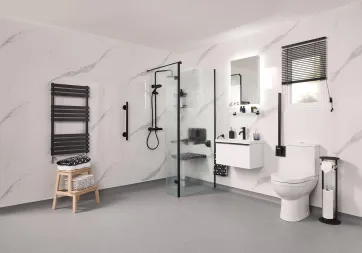
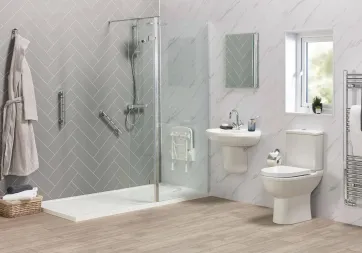
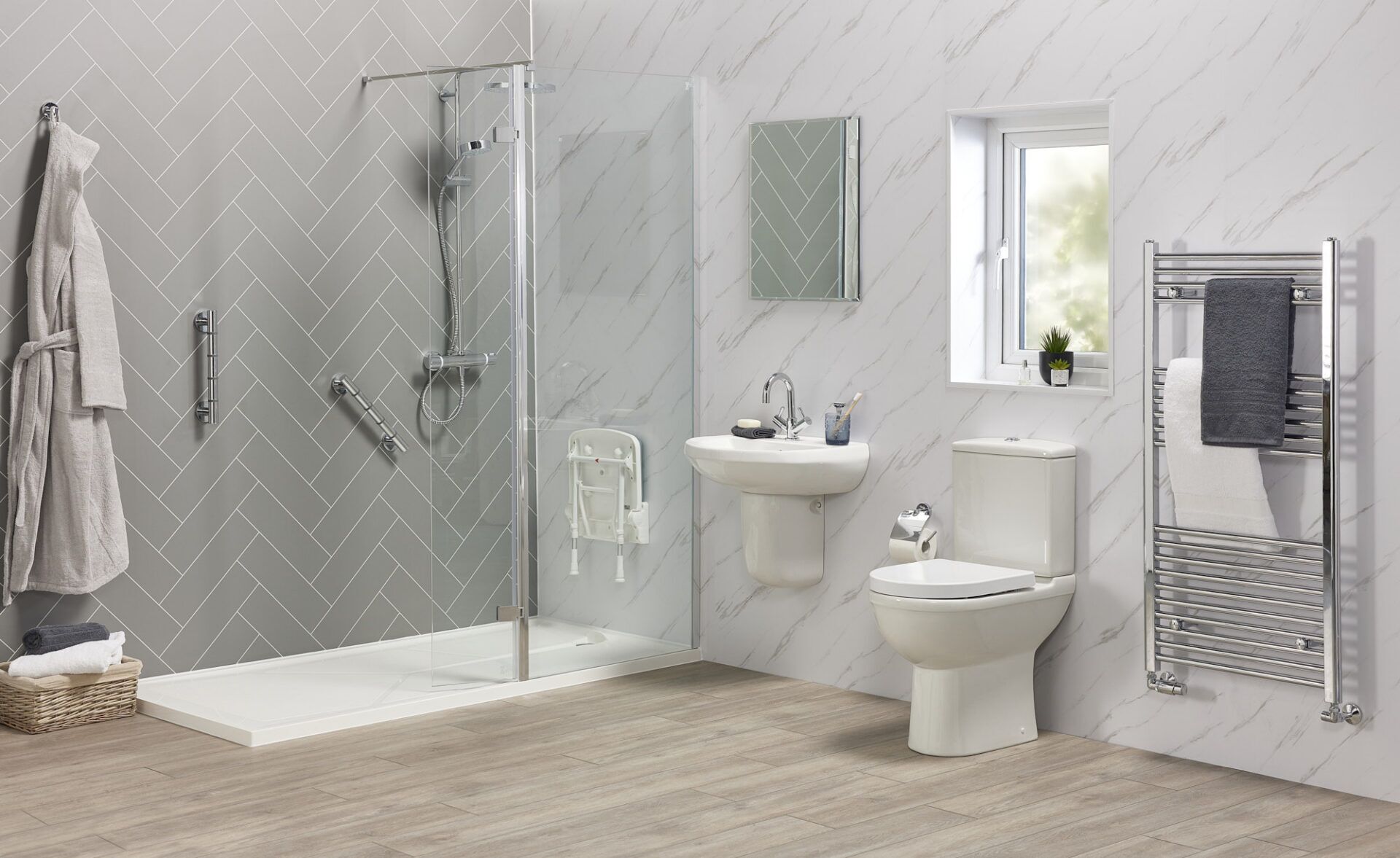
This is the most common way we replace a bath. A low-profile tray in acrylic or stone resin goes into the bath’s footprint, with a thermostatic shower, a glass screen or half-height doors, a fold-down seat and grab rails. There are two versions: a low-level access shower with a shallow step of around 40mm to 100mm, and a level access shower where the tray sits flush with the floor.
Where it wins: price, because only the tray zone is waterproofed; speed, at two to four days; and containment, since the tray defines where the water goes and keeps the rest of the floor dry.
Where it loses: a low-level tray is still a step, which matters for shuffling gaits, walking frames and wheelchairs; the tray edge relies on silicone sealant, which degrades and discolours over five to ten years and is the most common cause of bathroom leaks; and you are limited to standard tray sizes.
Our walk-in shower cost guide has the 2026 prices and what moves them.
Planning a walk-in shower or wet room?
Our surveyors design and fit accessible bathrooms across the UK. Book a free home visit: we plan the layout with you, check whether you qualify for 0% VAT, and give you a fixed-price quote with no obligation.
 Book a Free Design Visit
Which? Trusted Trader · Free home visits across the UK · Lifetime installation guarantee · 0% VAT if you qualify
The wet room: the level-access system
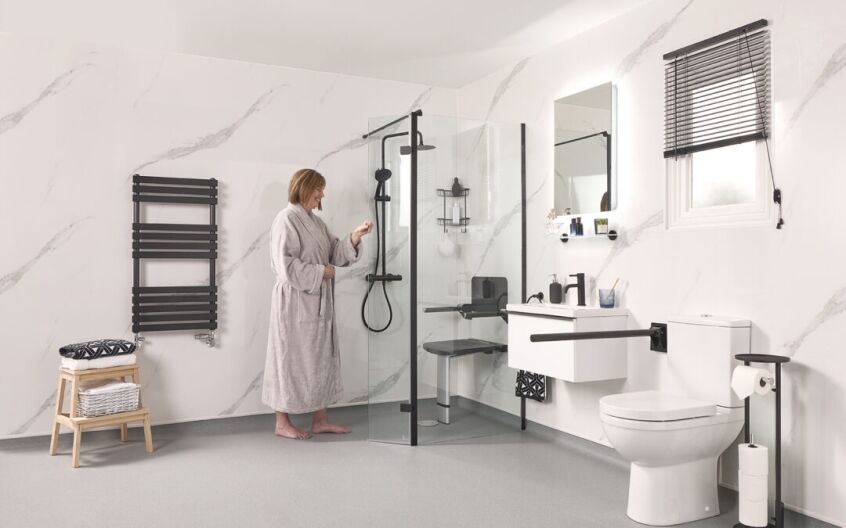
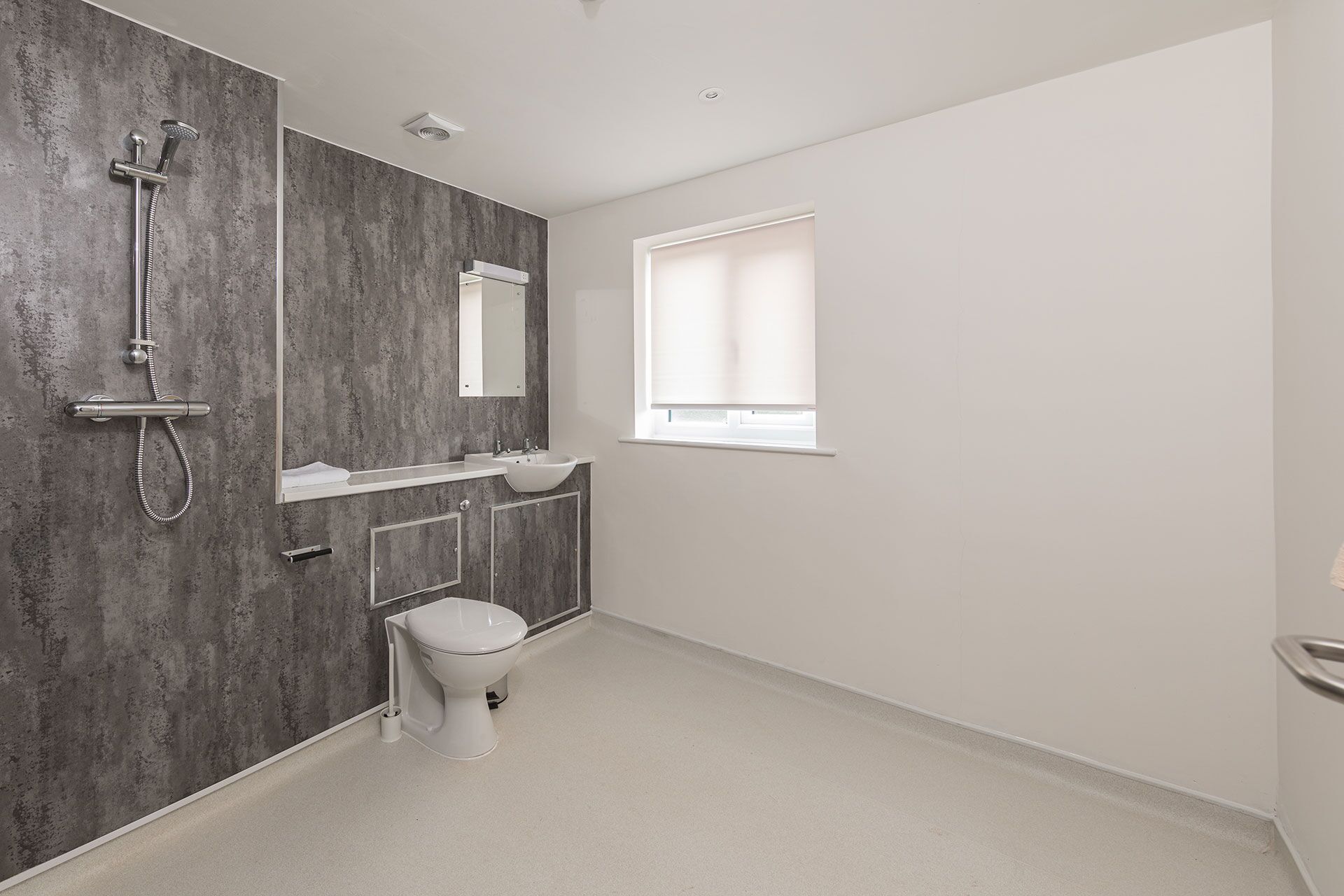
A wet room is a structural change. On a timber floor we lift the boards and fit a structural former between the joists; on concrete we cut a channel into the screed. The whole floor is formed to fall towards a drain and tanked with a bonded waterproof membrane that runs up the walls. There is no tray and no step anywhere in the room.
Where it wins: zero threshold, which makes it the only truly safe option for wheelchair users, shower chairs and carer-assisted washing; space, because removing the tray and cubicle makes a small bathroom feel much bigger; watertightness, since there is no silicone bead at floor level to fail; and cleaning, which is a mop or a rinse with the handheld shower.
Where it loses: cost, because forming and tanking a whole floor takes more skilled labour and materials, typically £2,000 to £3,500+ more than a tray shower at the same finish level; and time, at four to seven days.
Our wet room cost guide covers the 2026 bands, and our wet rooms page shows the options.
Keeping the standard bath: the false economy
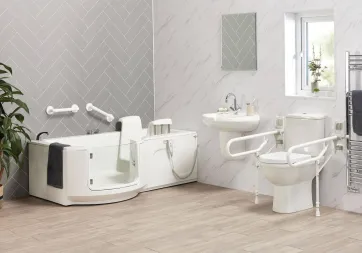
If you are reading this, you probably already find the bath difficult. A standard bath asks you to step over a rim around 540mm high, on one leg, on a wet surface, and falls in the bathroom are the most common cause of injury at home for people over 65. If lifting your leg is a stretch today, it will be harder next year, and the cost of a fall is measured in more than money. If you want to keep bathing rather than showering, a low level bath lowers the rim by 100mm, and a walk-in bath with a door removes the step; our walk-in bath vs walk-in shower guide compares bathing against showering directly.
Which is easier to clean?
This decides it for many of our customers. A tray shower means scrubbing the tray, cleaning the screen runners and keeping the silicone seal free of mould. A wet room has no tray rim, no runners and no silicone at floor level; you mop it or rinse it down, and with waterproof wall panels there is no grout either. Our wet room cleaning guide covers floors, drains and grout in detail.
Which lasts longer?
A professionally installed wet room should last a lifetime, because the tanking membrane is bonded into the structure and has no perishable seals at floor level. A tray shower is sound for years, but its silicone edges typically need attention after five to ten years and are the point that fails if neglected. Both come with our lifetime installation guarantee.
The hybrid: a wet room floor in the bath’s footprint
You don’t have to tank and tile the whole room to get a level floor. We remove the 1700mm bath and, in exactly that footprint, form and tank a level-access shower area, panelling just that zone and the splash walls. The rest of the floor and walls stay as they are. It gives you the zero step of a wet room at a price closer to a tray shower, and it is the option we recommend most often for small bathrooms. Our small bathroom layouts guide shows what fits without moving anything.
Our verdict
Choose a walk-in shower (tray) if everyone using the room can step over a 40mm lip safely, the budget is tighter, or you want the quickest update. If you prefer a tray but want no step, ask for a level-access tray.
Choose a wet room if safety is the first priority, anyone uses a wheelchair, a shower chair or a walking frame, a carer helps with washing, or you want the easiest room to keep clean. VAT relief makes the price gap smaller than it looks.
Not sure? Our surveyor measures your floor depth and drainage and quotes both options side by side, so you can compare real prices for your own bathroom rather than online estimates.
Frequently asked questions
What is the difference between a wet room and a walk-in shower?
A walk-in shower has a low or level tray with its own drain, and only the tray zone is waterproofed. A wet room has no tray: the whole floor is formed to fall towards a drain and tanked, so there is no step anywhere in the room.
Is a wet room better than a walk-in shower?
For wheelchair users, shower chairs, walking frames and carer-assisted washing, yes, because there is nothing to step over and the whole floor is usable. For someone who can manage a low step, a walk-in shower gives similar safety for £2,000 to £3,500+ less and keeps more of the floor dry.
How much more does a wet room cost than a walk-in shower?
Typically £2,000 to £3,500+ more at the same finish level. In 2026 a walk-in shower costs £6,000 to £10,500+ installed and a wet room £8,000 to £14,000+, before VAT relief.
Does removing the bath devalue my house?
Rarely. In bungalows and smaller homes a modern wet room or walk-in shower often adds appeal for older buyers. In a larger family home estate agents usually suggest keeping one bath somewhere in the house. Our guide on whether a wet room devalues a property covers this.
Do I need planning permission for a wet room?
No. Converting an existing bathroom is permitted development. Planning permission only comes into it if you are building an extension to house it or the property is listed. Building regulations still apply to the electrical and drainage work, which we certify.
Can I have a wet room and a bath?
Yes, if there is space. We can tank the floor and create a level-access shower area in one part of the room while keeping a standard, low level or walk-in bath in another.
How long does a wet room last?
A professionally tanked wet room should last a lifetime, because there are no perishable silicone seals at floor level. Tray showers rely on silicone edges that typically need attention after five to ten years.
Which is easier to clean, a wet room or a walk-in shower?
A wet room. There is no tray rim, no door runners and no floor-level silicone; you mop it or rinse it with the handheld shower.
Is this the price I’ll pay?
No. The figures in this guide are typical ranges to help you plan. Every accessible bathroom we fit is designed around the person using it, so once our surveyor has visited and understood what you need, the price of your bespoke solution can be quite different from the ranges shown. The home survey is free and the quote you receive afterwards is a fixed price.
A note on the prices in this guide
The figures on this page are typical ranges to help you plan, not quotes. Every accessible bathroom we fit is designed around the person using it, so once our surveyor has visited and understood what you need, the price of your bespoke solution can be quite different from the ranges shown here. The home survey is free, and the quote you receive afterwards is a fixed price.
See the difference in your own bathroom
The best way to choose is to see both options costed for your room. Book a free, no-obligation home visit; our surveyor measures your floor depth and drainage, confirms whether you qualify for VAT relief, and gives you a fixed-price quote for each option so you can compare.
Or call us free on 0800 955 8810.

Michael
Clients’ Needs Assessor at EA Mobility
With over 20 years of experience in the mobility sector, Michael has helped thousands of people regain independence through essential property adaptations.
Free · No obligation · UK-wide
Ready for a safer, easier bathroom?
Tell us a little about your bathroom and one of our own surveyors will visit at a time that suits you, anywhere in the UK. You'll get honest advice and a fixed-price quote to consider in your own time.
- Rated 4.9 by Which? Trusted Traders
- Our own installers, never subcontracted
- 0% VAT on eligible installations
- Lifetime installation guarantee
Prefer to talk? Call free on 0800 955 8810